
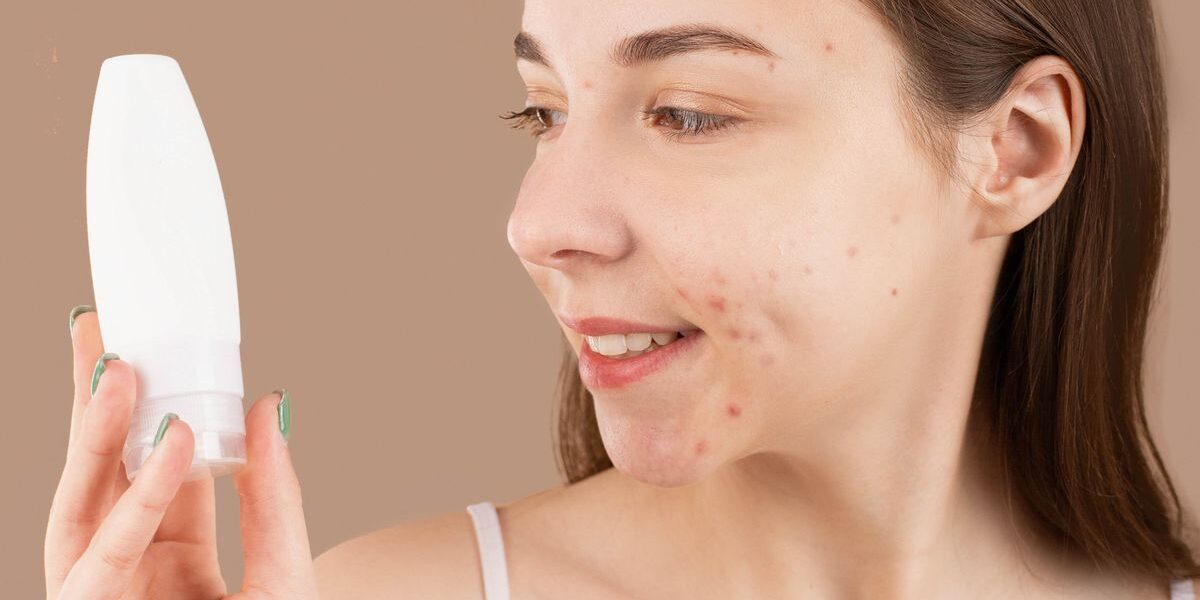
Acne scars are one of the most lasting consequences of inflammatory acne. Unlike post-inflammatory hyperpigmentation, which is a change in skin color, true acne scars involve permanent structural changes to the skin’s collagen architecture.
Types of Acne Scars
Atrophic scars (most common): Loss of tissue, resulting in depressions in the skin – Ice pick scars: Deep, narrow, pitted scars – Boxcar scars: Wide, rectangular depressions with sharp edges – Rolling scars: Broad, sloping depressions that give skin a wavy texture
Hypertrophic scars: Raised, firm scars formed by excess collagen
Keloid scars: Raised scars that extend beyond the original lesion boundary, more common in darker skin tones
Prevention: The Best Strategy
The single most effective strategy for preventing acne scarring is treating acne aggressively before it can scar. This means:
- Starting treatment early, don’t wait for acne to resolve on its own
- Never picking or squeezing lesions
- Seeking prescription treatment for moderate-to-severe acne
- Using SPF consistently (UV exposure worsens scars)
Treatment Options
- Microneedling: Stimulates collagen production in atrophic scars
- Chemical peels: Improve surface texture and tone
- Laser resurfacing: Ablative and non-ablative options
- Dermal fillers: Temporarily elevate depressed scars
- Subcision: Surgical technique for rolling scars
- Punch excision: For ice pick scars
Treating Acne to Prevent Future Scarring
If your acne is not adequately controlled, new scars continue to form. NuLine’s acne clinical trial may offer access to an innovative treatment. Learn more, ages 18 to 44, earn $120 per visit.