
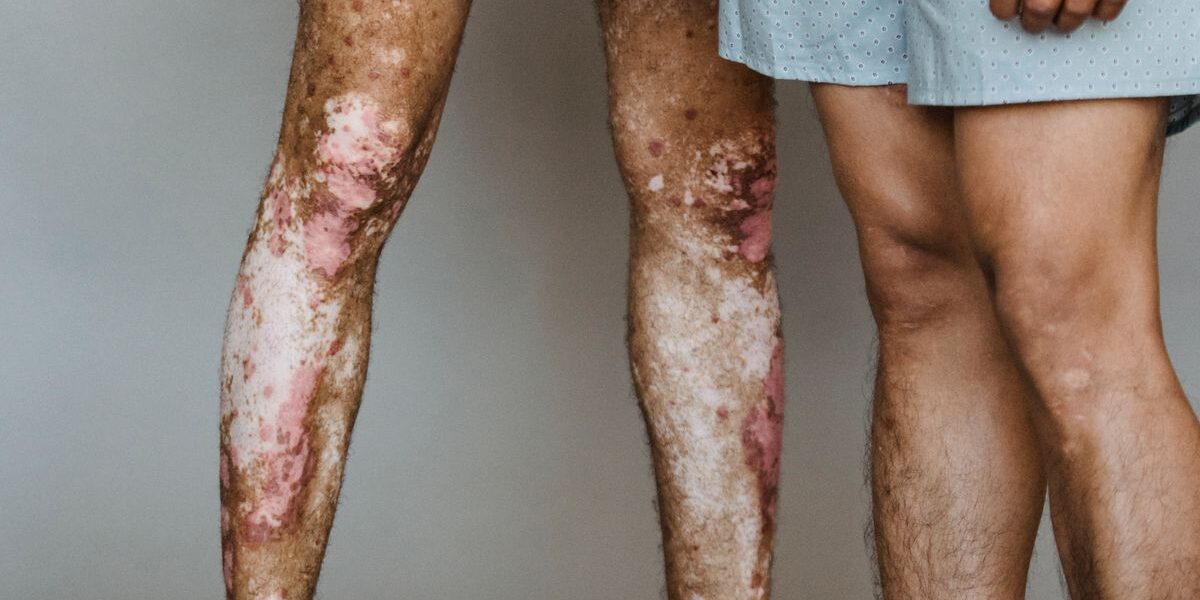
Plaque psoriasis is a chronic autoimmune skin condition characterized by raised, red patches covered with thick, silvery-white scales. It is the most common form of psoriasis, accounting for about 80% of all cases.
What Causes Plaque Psoriasis?
Psoriasis occurs when the immune system sends faulty signals that speed up the growth cycle of skin cells. Normal skin cells mature in 28 to 30 days; in psoriasis, this cycle can be as short as 3 to 4 days. The excess skin cells pile up on the surface, forming the characteristic plaques.
Who Is Affected?
About 7.5 million Americans live with psoriasis. It can appear at any age but most commonly first presents between ages 15 and 35. It is equally common in men and women.
Common Symptoms
- Raised, red patches covered with silvery, flaking scales (plaques)
- Dry skin that may crack and bleed
- Itching, burning, or soreness around plaques
- Thickened or ridged nails
- Swollen and stiff joints (in psoriatic arthritis)
What Triggers Flares?
Common triggers include stress, infections (especially strep throat), certain medications, skin injuries (Koebner phenomenon), smoking, and heavy alcohol use.
Treatment Options
Treatment has advanced significantly. Options today include topical agents, phototherapy, systemic medications (methotrexate, cyclosporine), and biologic treatments targeting specific immune pathways (IL-17, IL-23, TNF-alpha inhibitors).
Clinical Trial Opportunity at NuLine
NuLine is currently enrolling participants ages 21 to 65 with moderate-to-severe plaque psoriasis. You could earn $130 or more per visit. No insurance required. Learn more.