
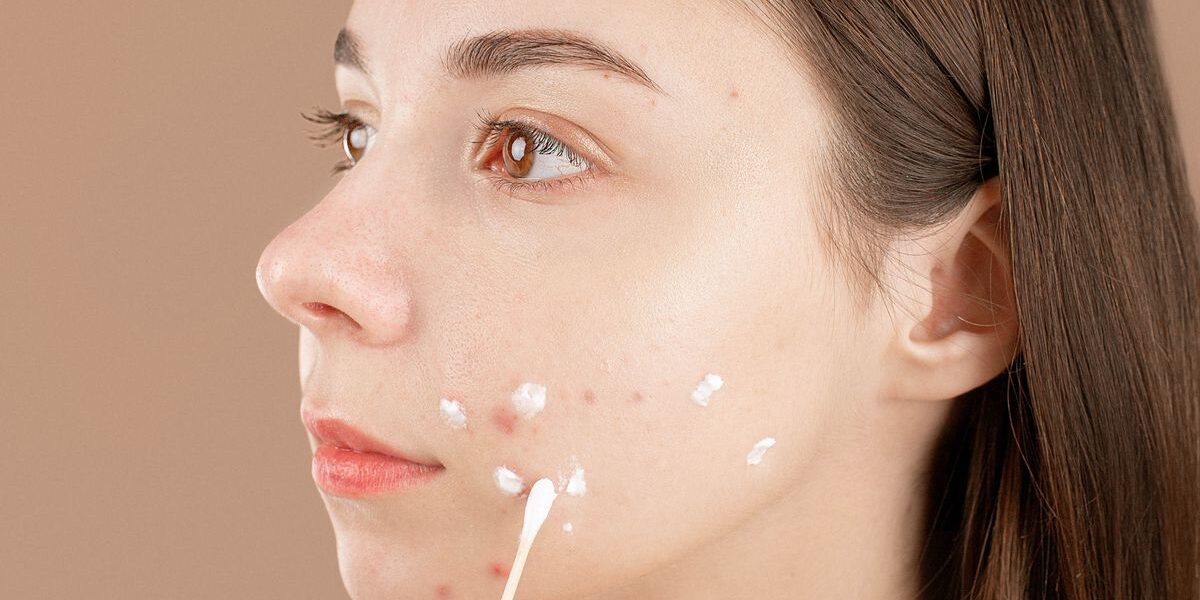
Not all acne is the same. Hormonal acne has specific causes, characteristic patterns, and responds best to treatments that address the underlying hormonal drivers.
What Is Hormonal Acne?
Hormonal acne is acne driven primarily by fluctuations in androgens (male hormones present in both men and women). Androgens stimulate the sebaceous glands to produce more sebum, creating the conditions in which C. acnes bacteria proliferates and inflammation occurs.
Typical Patterns
Hormonal acne in women typically: – Appears around the lower face, jaw, chin, and neck – Flares predictably in the days before menstruation – Presents as deep, painful cysts rather than surface blackheads – Persists or worsens in the 20s and 30s even after adolescent acne has resolved
Who Is Affected?
Up to 85% of women experience premenstrual acne flares. PCOS (polycystic ovarian syndrome) significantly elevates androgen levels, causing severe hormonal acne in many women with the condition.
Treatment Approaches
For women: – Oral contraceptives (combination pills) are FDA-approved for acne – Spironolactone, an androgen blocker, is highly effective for hormonal acne – Low-glycemic diet may reduce androgen-related sebum production
For all genders: – Prescription retinoids remain a cornerstone – Isotretinoin (Accutane) for severe, treatment-resistant cases – Emerging: mRNA vaccine technology targeting C. acnes bacteria
Clinical Trial Opportunity
NuLine is enrolling adults ages 18 to 44 with moderate-to-severe acne for an mRNA vaccine study. Learn more and apply today. Earn $120 per visit.