
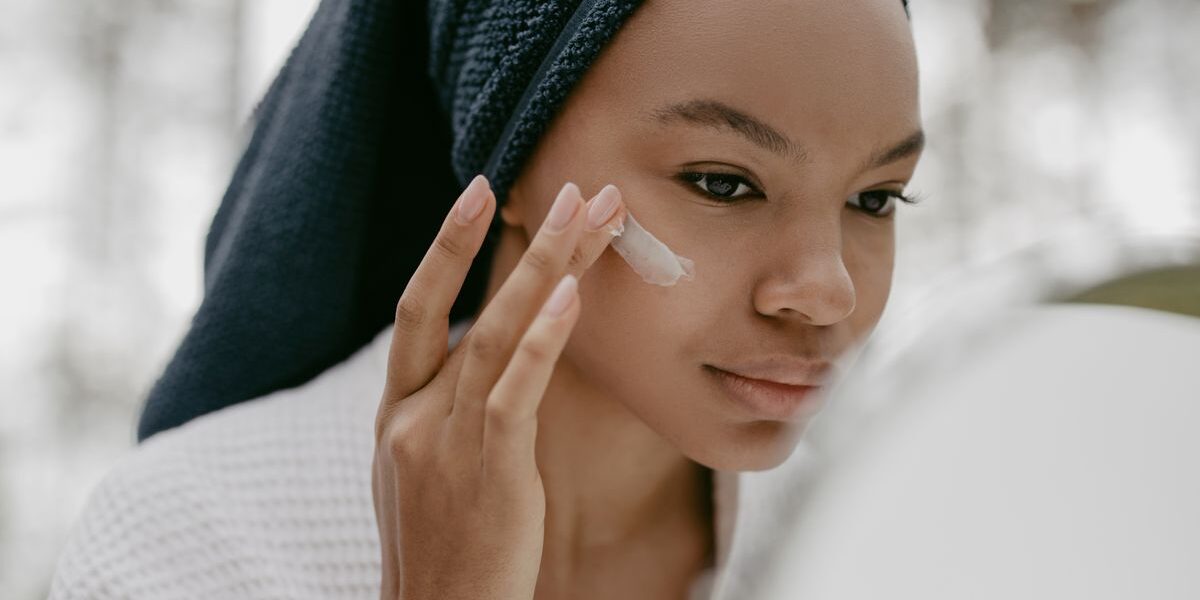
One of the most frustrating aspects of inflammatory skin conditions is that even after the active inflammation resolves, dark spots and discoloration can persist for months or longer. This is called post-inflammatory hyperpigmentation (PIH).
What Is Post-Inflammatory Hyperpigmentation?
PIH occurs when skin inflammation triggers excess melanin production. The melanin deposits in the affected skin cells, creating dark spots that persist long after the original inflammation has resolved.
Who Is Most Affected?
PIH is more common and more pronounced in people with darker skin tones (Fitzpatrick types IV-VI). For patients with atopic dermatitis, psoriasis, or acne, PIH can be as distressing as the underlying condition itself.
Common Causes in Dermatology Patients
- Acne: Post-acne macules are one of the most common forms of PIH
- Atopic dermatitis: Chronic scratching and inflammation darken affected areas
- Psoriasis: Cleared plaques often leave hyperpigmented marks
Treatment Options
Topical agents: Azelaic acid, kojic acid, niacinamide, alpha-arbutin, and vitamin C can help fade hyperpigmentation. Topical retinoids increase cell turnover, gradually reducing pigmentation.
Chemical exfoliants: AHAs (glycolic acid, lactic acid) accelerate surface cell turnover.
Sun protection: UV exposure darkens PIH significantly. Diligent SPF use is non-negotiable while treating PIH.
Time: Most PIH will gradually fade on its own over 6 to 12 months, even without treatment.
The Importance of Treating the Underlying Condition
The best way to prevent PIH is to treat the underlying inflammatory condition effectively. If your eczema, psoriasis, or acne is not adequately controlled, NuLine’s clinical trials may offer options. Browse our studies.