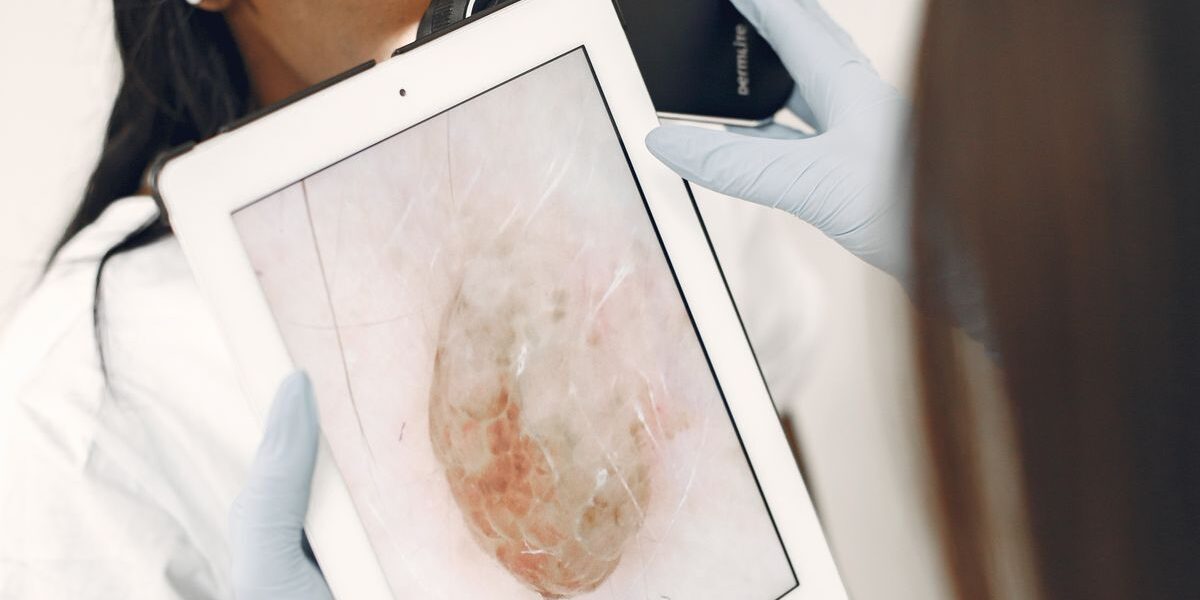
Phototherapy, the therapeutic use of ultraviolet (UV) light, has been used to treat inflammatory skin conditions for over 50 years. Far from risky sun exposure, modern clinical phototherapy is a precise, well-tolerated treatment with strong evidence supporting its effectiveness.
How Does Phototherapy Work?
Ultraviolet light has immunomodulatory effects on the skin: – Reduces the activity of T lymphocytes involved in skin inflammation – Induces apoptosis (programmed death) of inflammatory immune cells – Reduces inflammatory cytokine production – NB-UVB promotes vitamin D production, which has additional anti-inflammatory effects
Types of Phototherapy
Narrowband UVB (NB-UVB), the most commonly used form. Emits a narrow band of ultraviolet B light (311–313 nm) that is maximally therapeutic with reduced carcinogenic risk. Used for eczema, psoriasis, vitiligo, and prurigo nodularis. Generally safe for adults and children.
PUVA (psoralen + UVA), more potent than NB-UVB and effective for psoriasis, but associated with higher long-term skin cancer risk. Less commonly used today.
Excimer laser, targeted UVB for limited areas, useful for localized psoriasis or vitiligo.
What to Expect
Phototherapy typically involves 2–3 visits per week to a dermatology office. Treatment sessions are brief (seconds to a few minutes) and are gradually increased based on skin response. Most patients see meaningful improvement within 6–12 weeks.
Limitations
Phototherapy is time-intensive (frequent clinic visits) and requires careful monitoring of cumulative UV dose for long-term users.
For patients seeking alternatives to phototherapy, clinical trials may offer access to newer systemic therapies. Contact NuLine to learn about current studies.