
What Is a Patch Test and How Is It Used in Dermatology?
A patch test identifies the specific allergens causing allergic contact dermatitis. Here is how the procedure works, what to expect, and what the results mean.
Insights, guides, and stories to help you navigate your clinical research journey.
A patch test identifies the specific allergens causing allergic contact dermatitis. Here is how the procedure works, what to expect, and what the results mean.
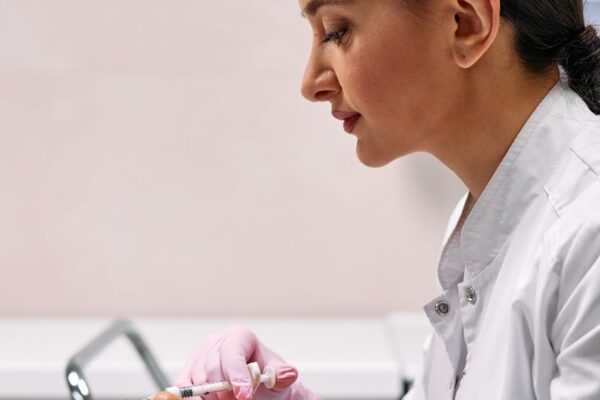
Nemolizumab targets the IL-31 signaling pathway, the nerve-itch connection at the heart of atopic dermatitis and prurigo nodularis. Here is how it works and what trials have shown.
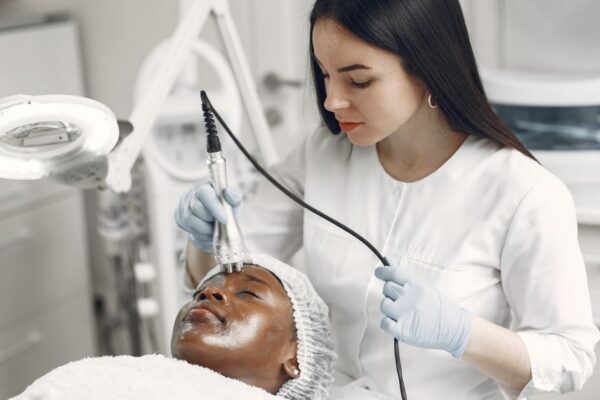
Many people wait too long before seeing a dermatologist, or see one for things that do not require specialist care. Here is how to decide.
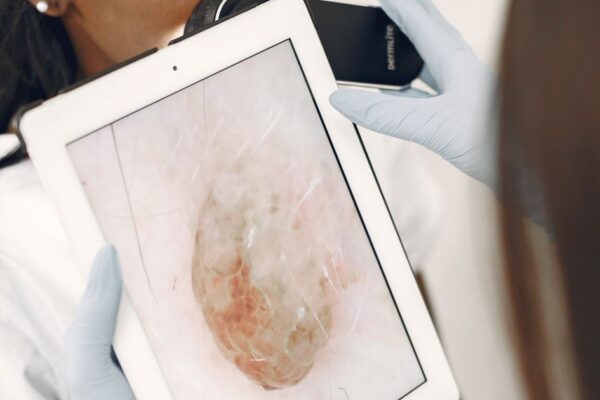
Phototherapy is an effective, well-established treatment for eczema, psoriasis, and other skin conditions. Here is how it works and what to expect.

Topical steroids are the most prescribed eczema treatment in the world, but misuse leads to both under-treatment and overuse. Here is the complete picture.

Dupilumab transformed moderate-to-severe eczema treatment. Here is what it is, how it works, what to expect, and who it is right for.
Vitiligo affects 1–2% of the world’s population, causing loss of skin pigment. A new FDA-approved topical now offers real repigmentation for the first time.
Alopecia areata is an autoimmune condition that causes hair loss in patches. A new class of FDA-approved drugs now offers real regrowth hope for many patients.
The right skincare routine can meaningfully reduce eczema flare frequency and severity. Here is a practical, evidence-based approach.