
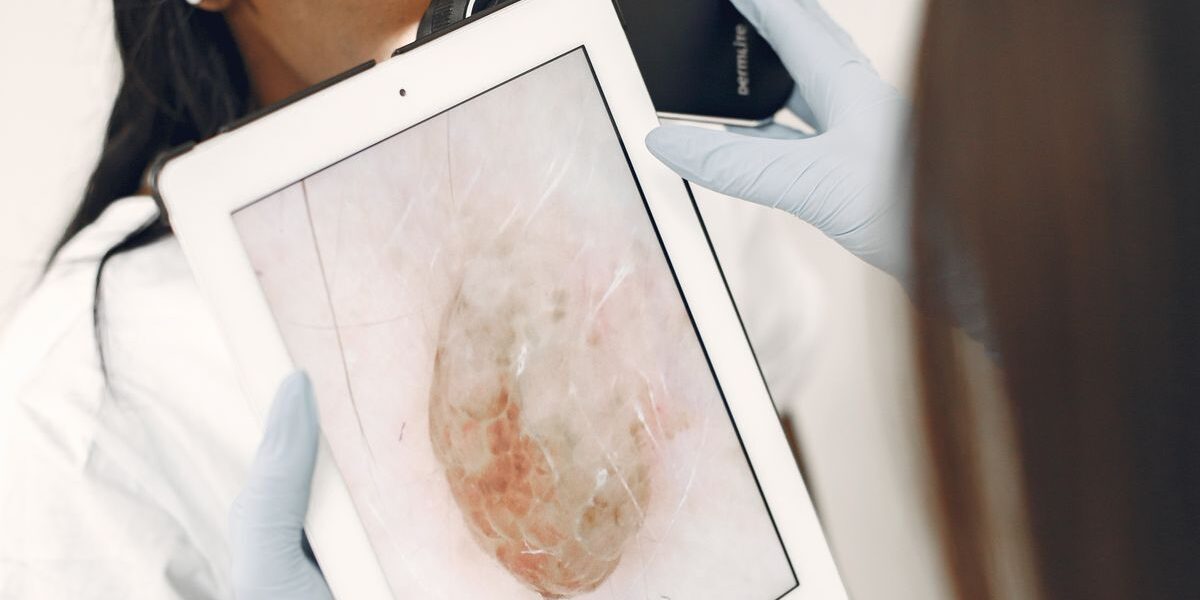
Cystic acne is the most severe form of acne vulgaris, characterized by large, painful, fluid-filled lesions deep within the dermis. Without appropriate treatment, cystic acne produces permanent scarring at an alarmingly high rate.
What Causes Cystic Acne?
Cystic acne develops when a comedone ruptures deeply within the skin, spilling sebum, dead cells, and bacteria into the surrounding dermis. The immune response is intense and deep, producing a cyst rather than a superficial pustule.
Driving factors include: – Genetics, the most significant risk factor – Hormonal fluctuations, androgens increase sebum production; cystic acne is most common in teenage boys but disproportionately affects adult women at hormonal transitions – Polycystic ovary syndrome (PCOS), strongly associated with severe cystic acne in women
Why Cystic Acne Scars
The deep inflammatory response destroys collagen in the dermis. When inflammation resolves, the skin attempts repair, imperfectly:
- Atrophic (pitted) scars, icepick, boxcar, and rolling scars from collagen loss
- Hypertrophic (raised) scars, keloid-like from excess collagen deposition
- Post-inflammatory hyperpigmentation, dark marks that can persist for months
Every cystic lesion that is squeezed, picked, or inadequately treated is an avoidable permanent scar.
Effective Treatments
Isotretinoin (Accutane), the most effective treatment for severe cystic acne. Reduces sebum production by up to 90%. Most patients achieve remission after one course of 16–24 weeks.
Hormonal therapy for women, oral contraceptives, spironolactone, or combined approaches targeting androgen excess.
Intralesional corticosteroid injections, injected directly into individual cysts to rapidly reduce inflammation and size.
NuLine is enrolling adults 18–44 in an innovative acne clinical trial. Apply now to see if you qualify.